
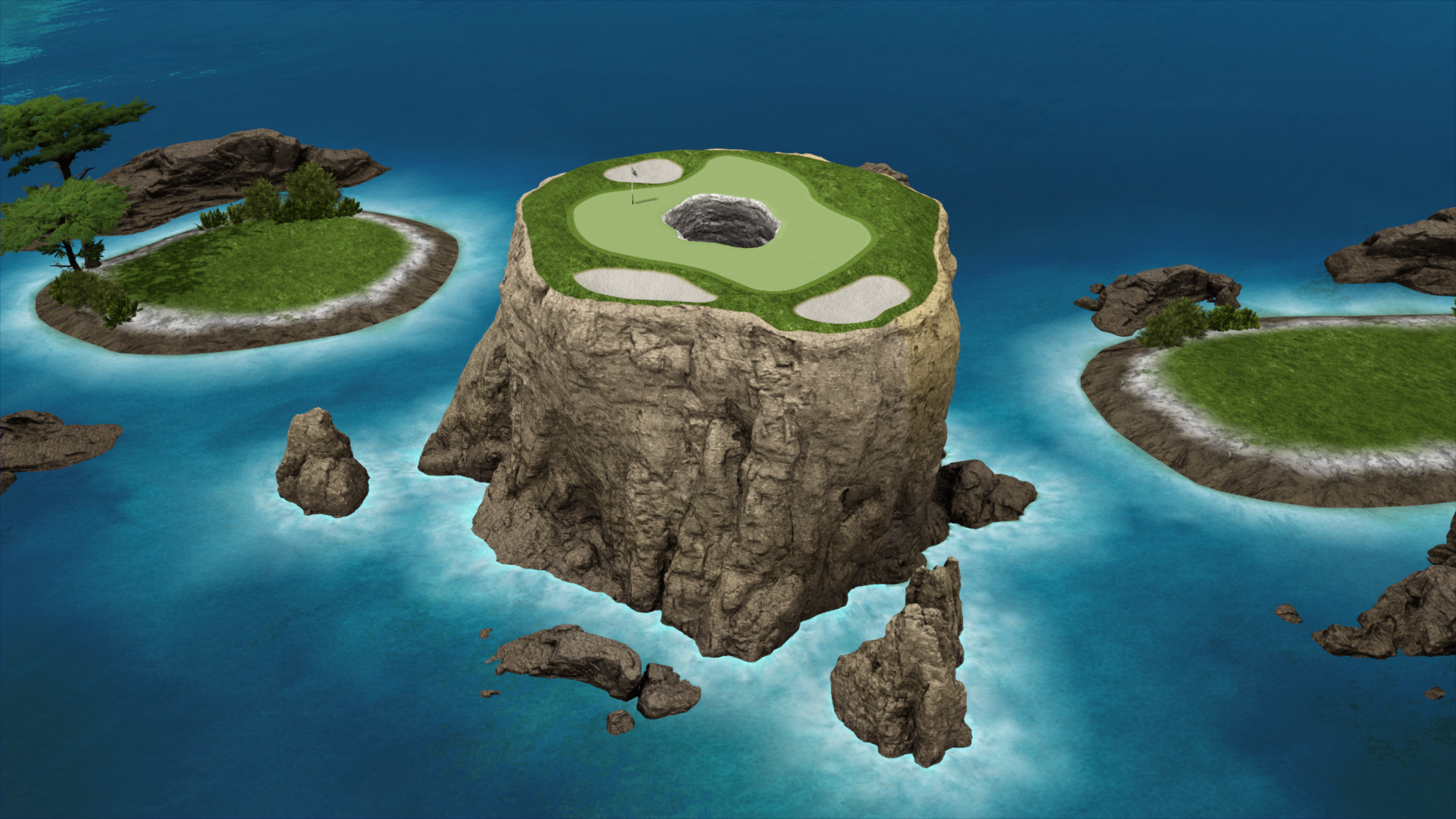
When Aaron Bridgwater set out to design “High & Dry,” he wanted something unmistakably Golden Tee — an elevated par 3 loaded with danger. The name came naturally after the concept took shape: a high, exposed tee shot where one mistake leaves you anything but dry. The dramatic sinkhole guarding the green? That was the “icing on the cake.”
Visually, the hole centers around an island green paired with an intimidating sinkhole, creating a bold risk-reward finish. A bridge offers a potential “get out of jail free” card for players who slightly miss the trackball, but it’s far from a guarantee. Wind and elevation are expected to be major factors, and Aaron anticipates plenty of release on tee shots. He believes players will need a high-lofted club to have the best chance at controlling the approach.
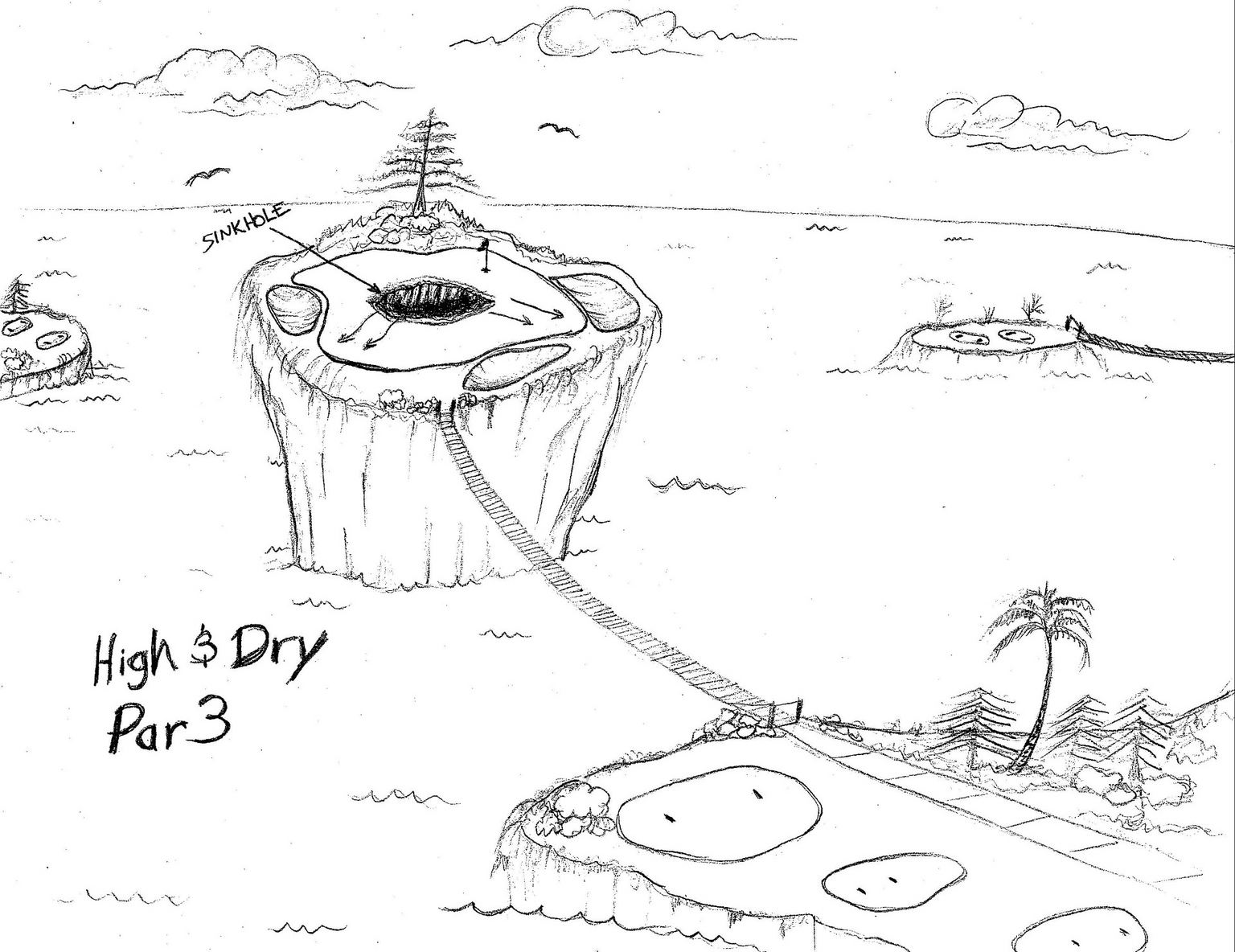
His process this year was simple and focused. He submitted eight designs, with two cracking the Top 10. Armed with nothing more than ideas, pencil and paper, he sketched concepts from scratch, occasionally drawing general inspiration from course styles he enjoys. “High & Dry” stood out as his clear favorite. Each hole Aaron creates takes about two to three hours to complete — part of a yearly tradition he’s committed to for the past six years.
Entering the Design-a-Hole contest has become routine for him, but the motivation runs deeper. Golden Tee is his favorite game, and he wants to carve out his place in its legacy. Finding out he was a finalist this year was surreal. Last year Aaron knew he had made the Top 10, but this year he was in the dark.
Aaron received a call from his buddy instructing him to check out who won DAH. His reaction? An unfiltered scream of disbelief. Back-to-back wins felt like something to joke about — not something that actually happens.

He followed the competition closely and had high praise for fellow finalist designs like “Vulture’s Cliff” and “Rock Wall,” admitting some of them were better than half the concepts he personally submitted. That perspective reflects how he views DAH overall: simple designs often win. Flashy presentation matters less than how a hole actually plays. Keep it clean. Keep it challenging.
As for player reactions to “High & Dry,” he expects tension. The wind and sinkhole combination will test nerves, and while the hole may be visually stunning, he suspects its toughness might make it more feared than loved. That’s intentional. In his eyes, DAH holes are meant to be difficult — especially as a late back-nine test.
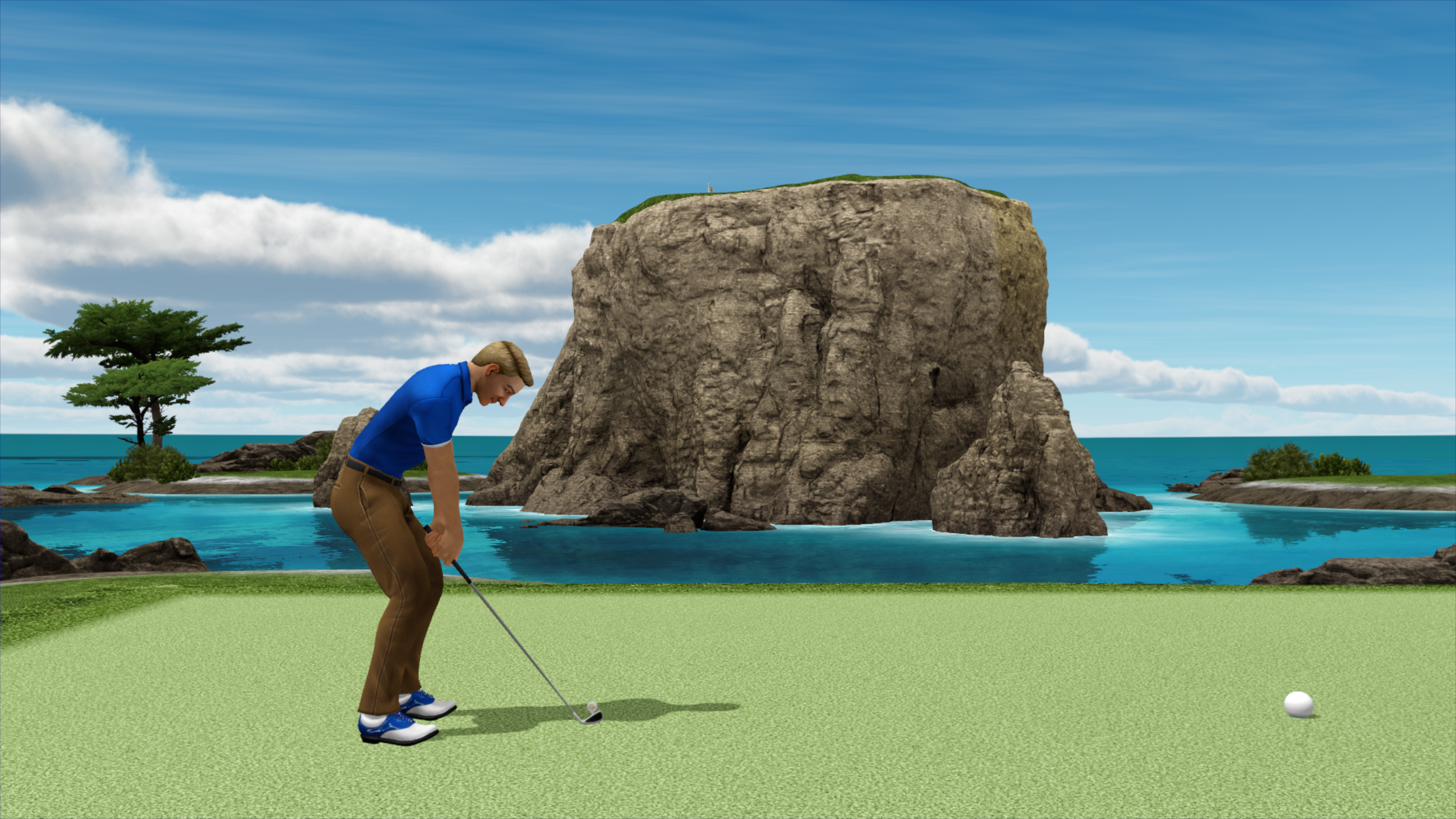
Winning back to back only fuels his connection to the game. He plans to stay deeply involved, attend more in-person tournaments, and keep pushing creatively. The next goal? Locking in the three-peat and becoming the first to do it.
Looking back, his DAH journey began in 2020 after missing the submission window in earlier years. That first time, he and his dad both entered. He finished 10th and was hooked. Since then, his philosophy has evolved: DAH holes tend to be tougher than the surrounding course, and difficulty, not decoration, defines success.
As for pressure heading into future DAH contests, he doesn’t see it changing much. No one ever truly knows what the judges are looking for. Still, he’s ready to put in the time and effort to chase history.
And the trophies? Last year’s cabinet went to his best friend. Another will soon sit proudly in an office space, where he and his local crew are even planning to install the PGA Edition machine — a fitting home base for a back-to-back champion with his sights set on being the first player ever to achieve 3 DAH contests wins in a row.







 NEWS
NEWS